What We're Building
Our flagship technology stores hydrogen within the crystal lattice of a proprietary low-alloy Magnesium ingot, called the Magnesium Ingot-Sponge System (MISS). Using low-energy manufacturing tehniques, we've created an extremely low density and porous structure optimized for rapidly absorbing and releasing hydrogen whilst maintaining the extreme density characteristic of metal hydrides.
With higher efficiency and robustness than cryogenic systems, greater density and safety than compressed gas systems, and a generously flexible form factor, ingot-sponge architecture represents a generational leap in hydrogen storage capability.
Phoebus American also offers the Titanium Ingot-Sponge System (TISS), a low-cost, low-capacity variant designed to reclaim hydrogen gas from atmospheres with low partial pressures of hydrogen, such as the exhaust pipes of a blast furnace.
MISS provides the safety, performance, and ease of fueling automakers demand. Our systems can be tuned for passenger vehicles, commercial trucks, and logistics applications where refueling infrastructure is co-located.
Industrial steel producers are actively transitioning to using hydrogen in the steelmaking process as part of one of the largest and fastest-moving decarbonization trends in heavy industry. For mills which buy hundreds of thousands of tonnes annually, MISS can save them billions on operational costs.
Packing and storing hydrogen in cryogenic or compressed vessels is extremely capital intensive. MISS'sm low-energy packing process and excelklent long-term stability make it perfectly suited for various standby and energy storage systems.
Hydrogen is essential in all manner of industrial and manufacturing processes, including welding, semiconductor manufacturing, petroleum refining, glassmaking, and advanced metrology. MISS provides a space- and cash-saving solution to these manufacturers and foundries.
Hydrogen is the feedstock for ammonia synthesis and the global fertilizer supply by the Haber-Borsch process. Nearly 50% of the world's food production depends on this process. Bringing safe and affordable hydrogen storage directly to the end user helps to massively lower the safety overhead and material costs for farmers and food-producers.
Beyond our reference design, we develop bespoke storage systems for partners with specific volumetric, gravimetric, or thermal requirements. If your application moves, stores, or consumes hydrogen, we'd love to hear about it!
Start a ConversationOne of our founders, Michael Monda, begins the development of a self-fueling hydrogen-electric generator system (US #63/863,916).
The company is founded as Phoebus American Hydrogen and Infrastructure Corp. As work on the generator system progressed, we identified storage density as the chief barrier to this product materializing.
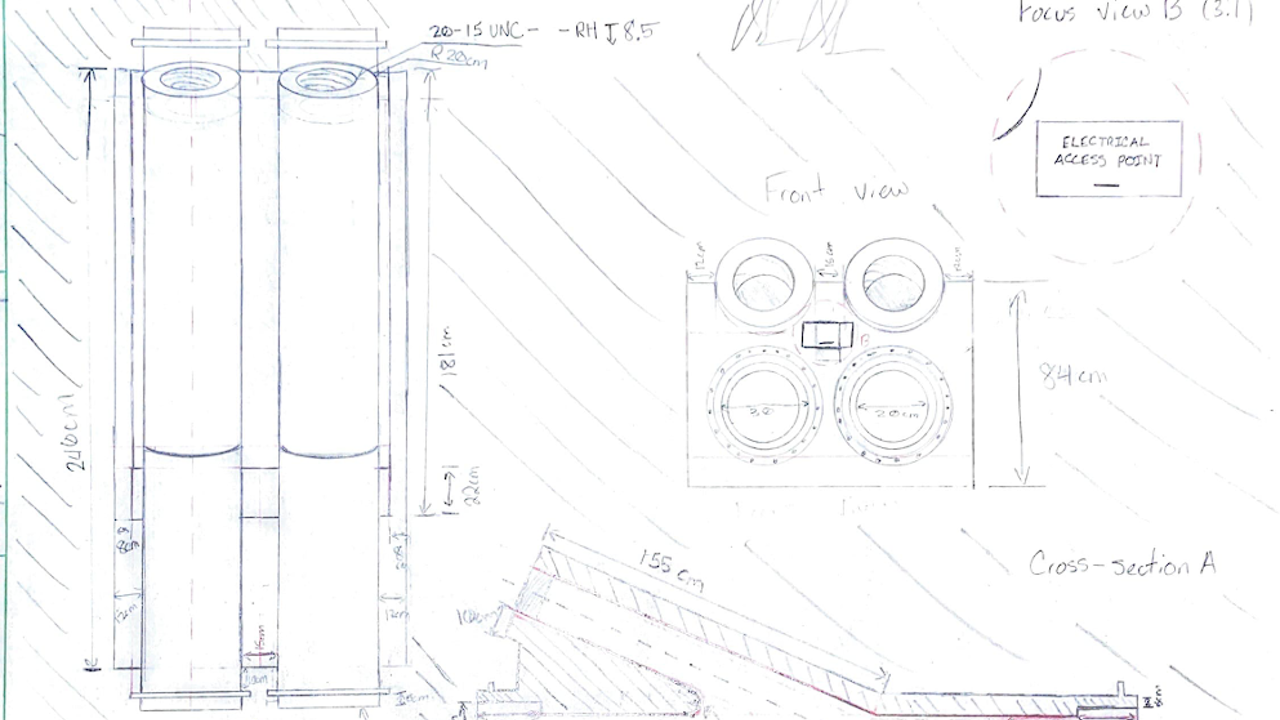
With the designs finalized, it was time to materialize our first example of a generator. While we could easily acquire a fuel cell and an electrolyzer, we could not buy a storage system which met our needs. What would one day become MISS began as a custom storage solution for this prototype generator. But, if we needed to create a whole new storage method to provide fuel for our simple generator, then it would stand to reason that the storage solution was the real valuable part of the product.
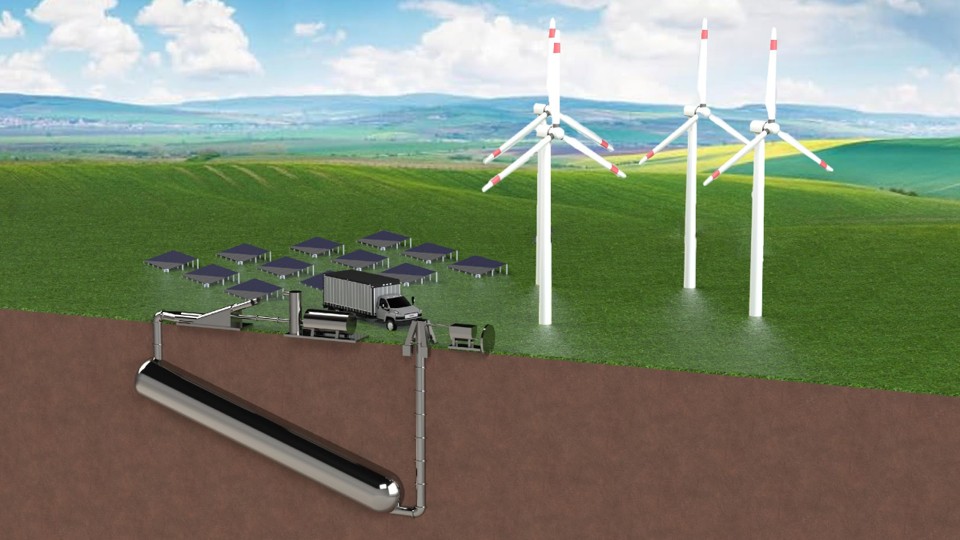
After dispensing with the generator, Phoebus American continues to develop and evaluate our hydrogen storage solutions. We maintain an office and laboratory at Worcester Polytechnic Institute, where the research identified key concepts related to MISS, including the production and testing process, general chemical composition, and target microstructure. It was at this laboratory where the first TISS MVP was completed.
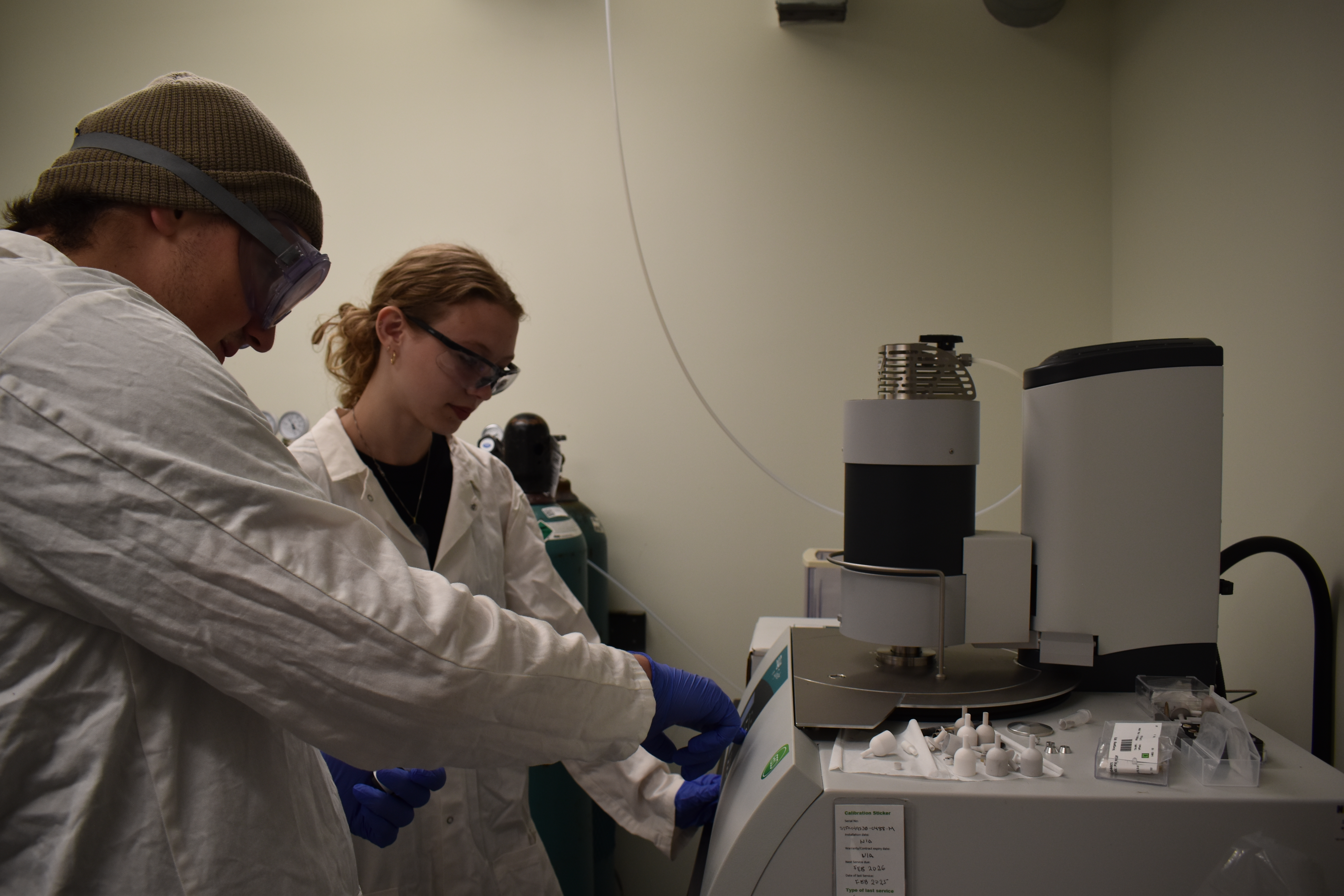
Phoebus American is diligently working with customers both public and private to develop the first MISS MVP by the end of Q2 2027.
Following completion of the MISS MVP, Phoebus American shall pilot the system with a partner in the specialty metals manufacturing industry.